Source RoHS Thread Forming Screws for Marine, Window, and Outdoor Use
Source RoHS thread forming screws from 30 verified listings. Compare stainless steel options with cross or hex drives, available in M1-M20 sizes. These fasteners feature black zinc or oxide coatings for rust resistance, suitable for marine, window, and outdoor applications.
Key considerations
Products List


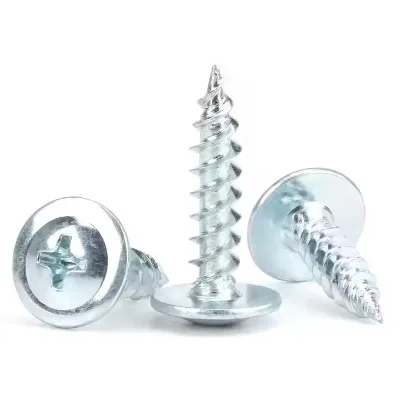


Comprehensive Sourcing Guide
RoHS Thread Forming Screw Sourcing Guide
Procuring RoHS-compliant thread forming screws requires a disciplined approach to material selection and surface treatment verification. Buyers must prioritize suppliers who explicitly confirm compliance with Restriction of Hazardous Substances directives, ensuring that the stainless steel or carbon steel base materials do not contain restricted heavy metals. The observed market data indicates a wide range of customization options, from standard DIN and ANSI standards to bespoke specifications, necessitating clear communication of technical requirements before placing orders.
Understanding the specific thread geometry is critical for successful installation in pre-tapped or self-tapping applications. Thread forming screws displace material rather than cutting it, creating a strong mechanical lock. Buyers should verify the thread pitch, major diameter, and length against their assembly drawings. The available size range from M1 to M20 suggests versatility across small electronics to larger industrial machinery, but precise dimensional accuracy is essential to prevent cross-threading or stripped holes in the mating component.
Product Scope and Observed Listing Signals
The current market landscape for thread forming screws reveals a diverse array of product attributes, including various head styles such as pan head and countersunk head configurations. Listings frequently highlight customization availability, allowing buyers to tailor drive types, groove styles like cross or hex, and surface treatments such as black zinc or powder coating. These signals indicate that manufacturers are equipped to handle specialized orders, but buyers must carefully distinguish between standard stock items and custom-manufactured components to manage lead times effectively.
Observed minimum order quantities (MOQs) vary significantly, ranging from small batches of 1,000 pieces to large industrial orders exceeding 100,000 pieces. This variance suggests that pricing structures are highly volume-dependent, with smaller orders incurring higher per-unit costs due to setup and processing fees. Buyers should align their procurement volumes with these thresholds to optimize cost efficiency. Additionally, the presence of specific product models like DIN6900 and various origin locations, including Jiangsu and Qingdao, provides context for supply chain logistics and potential shipping durations.
Technical Specifications to Verify
Dimensional accuracy is paramount when sourcing thread forming screws, as deviations can lead to assembly failures or compromised joint integrity. Buyers must verify the size range, which typically spans from M1 to M20, and ensure that the length specifications, often ranging from 6mm to 180mm, match the required grip length for the application. The thread type is usually full thread, but partial thread options may be available for specific use cases. Confirming these dimensions against international standards such as DIN, GB, or ANSI ensures interchangeability and reliability in global supply chains.
Surface treatment and material grade are equally critical technical factors that influence performance and durability. Common coatings include black oxide, black zinc, and powder coating, each offering different levels of corrosion resistance and aesthetic appeal. For applications requiring high strength or specific environmental resistance, verifying the material grade, such as stainless steel or specific carbon steel grades, is essential. Buyers should also confirm the drive type, whether Phillips, hex, or other customized drives, to ensure compatibility with existing assembly tools and processes.
Compliance and Safety Documentation
Regulatory compliance is a non-negotiable aspect of sourcing thread forming screws, particularly for industries with strict environmental and safety standards. Buyers must request and verify RoHS and REACH compliance certificates to ensure that the screws do not contain restricted substances like lead, mercury, or cadmium. These documents provide assurance that the manufacturing process adheres to environmental regulations, which is crucial for exporting products to regions with stringent chemical restrictions, such as the European Union and North America.
In addition to chemical compliance, quality management certifications such as ISO9001, ISO14001, and IATF16949 indicate a supplier’s commitment to consistent quality and environmental management. These certifications suggest that the supplier has robust processes in place for traceability, defect prevention, and continuous improvement. Buyers should also inquire about salt spray test results to validate the corrosion resistance claims, especially for screws intended for outdoor, marine, or humid environments where rust prevention is critical for long-term performance.
Cost Drivers and Commercial Terms
Several factors influence the total cost of thread forming screws, including material costs, surface treatment complexity, and order volume. Stainless steel screws generally command a higher price than carbon steel alternatives due to raw material expenses. Customization options, such as specific coatings, drive types, or non-standard lengths, can also increase costs due to additional processing steps and tooling requirements. Buyers should negotiate pricing based on clear volume tiers to maximize cost savings, especially for large-scale procurement projects.
Commercial terms, including minimum order quantities and delivery times, play a significant role in budgeting and inventory management. Typical MOQs range from 1,000 to 10,000 pieces, with lead times often spanning 7 to 15 working days for production. Sampling times are usually shorter, around 3 to 5 working days, allowing buyers to validate quality before committing to full production. Understanding these terms helps buyers plan their supply chain effectively, avoiding stockouts or excess inventory while maintaining flexibility for urgent orders.
Supplier Qualification and Quality Control
Evaluating supplier qualifications is essential to ensure consistent quality and reliable delivery of thread forming screws. Buyers should assess the supplier’s manufacturing capabilities, including their ability to produce custom specifications and maintain strict quality control processes. Certifications such as ISO9001 and IATF16949 are strong indicators of a supplier’s ability to meet rigorous quality standards. Additionally, verifying the supplier’s experience in producing screws for specific industries, such as automotive, marine, or heavy industry, can provide confidence in their technical expertise.
Quality control measures should include rigorous testing protocols, such as salt spray tests for corrosion resistance and mechanical strength tests for thread integrity. Buyers should request detailed quality reports and inspection certificates for each batch of screws delivered. Establishing clear communication channels for addressing quality issues and defining return or replacement policies is also crucial. Regular audits or third-party inspections can further ensure that the supplier maintains consistent quality standards over time, reducing the risk of defects in the final assembly.
Long-Term Procurement Checks
Building a sustainable supply chain for thread forming screws requires ongoing monitoring and relationship management. Buyers should regularly review supplier performance metrics, including on-time delivery rates, defect rates, and responsiveness to issues. Establishing key performance indicators (KPIs) helps track supplier reliability and identifies areas for improvement. Regular communication and feedback loops can strengthen the partnership, ensuring that both parties are aligned on quality expectations and delivery schedules.
As market conditions and regulatory requirements evolve, buyers must stay informed about changes in material costs, environmental regulations, and industry standards. Periodic reviews of alternative suppliers and market trends can provide opportunities for cost optimization and risk mitigation. Maintaining a diversified supplier base can also enhance supply chain resilience, reducing dependency on a single source. By proactively managing these long-term factors, buyers can ensure a stable and efficient procurement process for thread forming screws, supporting their operational goals and product quality standards.
FAQs
What certifications do these screws have?
These screws hold ISO, SGS, RoHS, CE, and ISO9001 certifications. They also meet RoHS and Reach testing standards. This ensures compliance with international safety and environmental regulations for various industrial applications.
How long is the delivery time for orders?
The standard delivery time is 7 to 15 working days. This timeframe applies to most orders after sampling is confirmed. Buyers should plan their procurement schedule accordingly to ensure timely project completion.
Can I request custom surface treatments?
Yes, surface treatment can be customized to meet specific needs. Options include Black Zinc, Black Oxide, and Powder coating. This flexibility allows buyers to match the screw finish to their specific environmental or aesthetic requirements.
What is the minimum order quantity required?
The minimum order quantity varies between 1000 and 5000 pieces depending on the specific product model. Some listings indicate an MOQ of 1000 pieces while others require 5000 pieces. Buyers should verify the exact requirement for their selected item.
Which thread types are available for these screws?
Full thread is the standard configuration for these machine screws. The thread type is designed for tapping applications. This ensures secure fastening in various materials used in kitchen, marine, and outdoor environments.
What sizes are available for these screws?
Sizes range from M1 to M20, covering diameters from 6# to 1 inch. Lengths are available from 6mm up to 180mm. This wide range supports diverse applications from small window screws to heavy industrial fasteners.
Where are these screws manufactured?
These screws originate from Jiangsu and Qingdao in China. The manufacturing locations ensure access to established industrial supply chains. Buyers can expect consistent quality and reliable production capabilities from these regional factories.